9 Performance evaluation
COLABMO LEARNING · UPDATED 6 OCTOBER 2026
9 Performance evaluation
2015 foundation. Clause references in this lesson refer to ISO 9001:2015. Continue to the 2026 addendum for the current revision and transition guidance. Practical tips are examples, not additional ISO requirements.
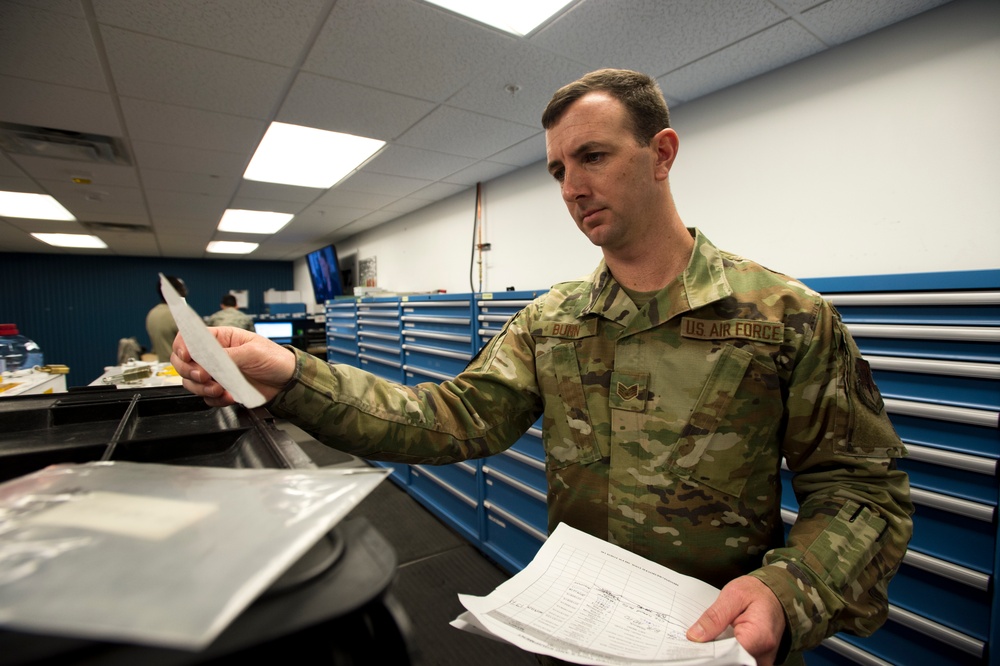
Look closely: Use evidence to evaluate performance. Checking an inspection record against the item and schedule helps establish what was done. A photograph alone does not prove that a whole process is effective or that an organization meets ISO 9001.
Quality Assurance Inspection, 6 February 2020. U.S. Air Force photo by Staff Sgt. Jarrod M. Vickers. Public domain (U.S. Government). Unmodified photograph. The appearance of U.S. Department of War (DoW) visual information does not imply or constitute DoW endorsement.
Performance evaluation — monitoring, audits and management review
Clause 9 of ISO 9001:2015 is Performance evaluation. It covers more than internal audits. Use monitoring and analysis to understand results, audits to evaluate conformity and effectiveness, and management review to make decisions.
9.1 Monitoring, measurement, analysis and evaluation
Determine what information is needed, suitable methods, timing and how results will be evaluated. Consider customer perceptions and relevant performance data. Retain appropriate evidence of results. A dashboard is useful only when its data and interpretation support a decision.
Example: report picking errors per completed order with a consistent counting method. Review customer complaints and returned items as well, because a low internal error count may reflect weak detection. Investigate changes in the denominator or reporting method before announcing improvement.
9.2 Internal audit
Plan an audit program that considers the importance of processes, changes and previous results. Define criteria and scope, select objective and impartial auditors, report results, address findings and retain evidence of the program and audit results. Sample actual work and records; a completed checklist alone does not show effective implementation.
9.3 Management review
Top management evaluates the system at planned intervals. Prepare relevant information on previous actions, context changes, customer feedback, objectives, process and product/service results, nonconformities, monitoring, audits, providers, resources, risk/opportunity actions and improvement opportunities. Record decisions about improvements, system changes and resource needs, then follow them through.
A connected evidence trail
Monitoring identifies repeat shipping errors. An audit traces their cause to unclear revision checks. Management review assigns resources to improve the check. Later results show whether the change reduced errors. Each activity serves a purpose; none substitutes for the other two.
Exercise
Choose one result your team reports. Identify its source, definition, owner, review frequency and action threshold. Check a sample against the original records. Write the management decision that the evidence should support.
There are no comments for now.
to be the first to leave a comment.